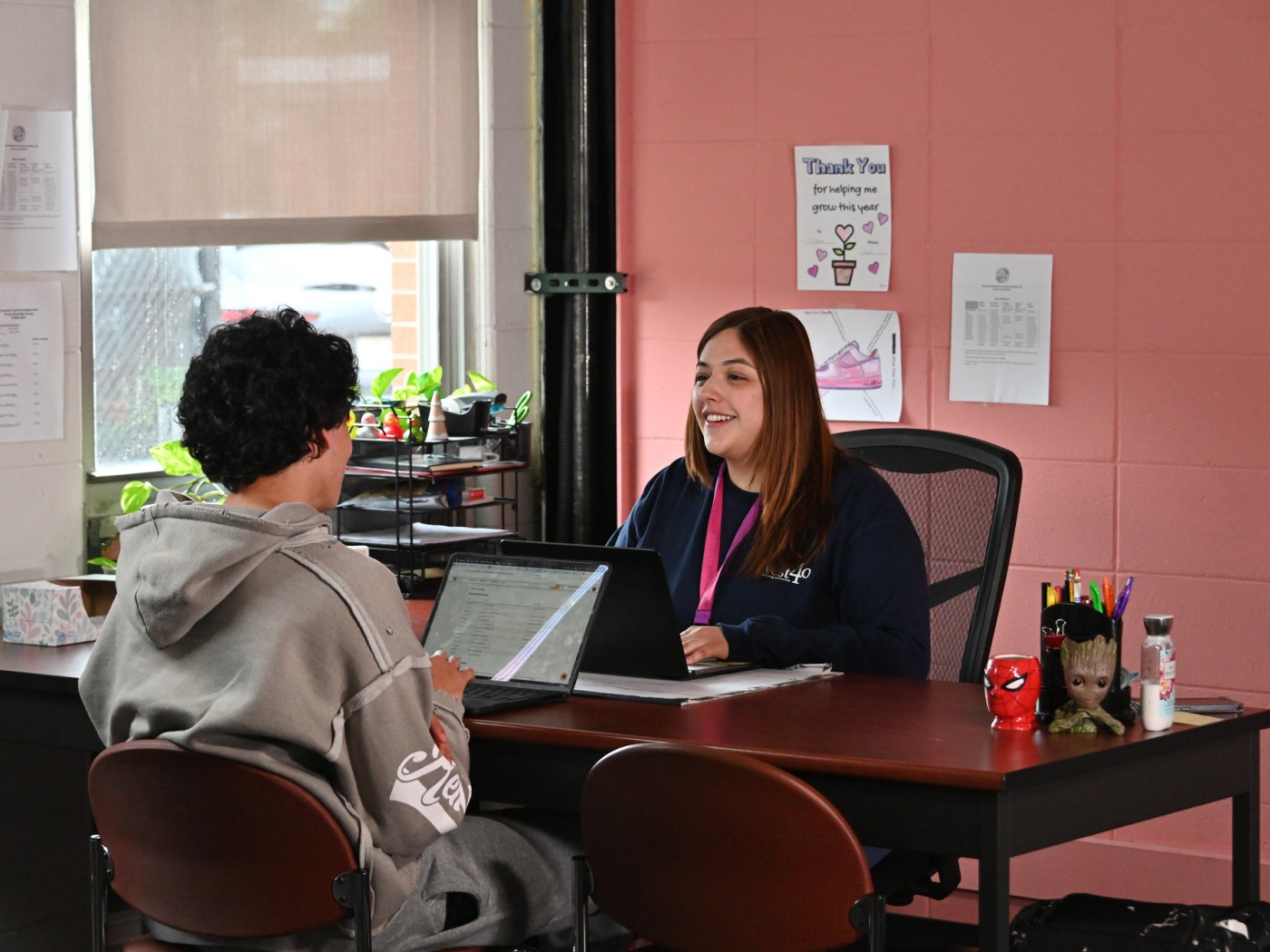
Each year, the Wellness Center accepts four students from Chicago-area graduate programs in psychology and social work for a comprehensive training program in psychotherapy.
Counseling trainees provide clinical services and quality care to Dominican students. They play an active role in campus outreach and work collaboratively as paraprofessionals in a team environment.
About the Counseling Training Program
-
Trainee Responsibilities
Responsibilities for trainees include:
- Maintaining a caseload of individual counseling clients
- Assisting students with referrals for services in the community as needed
- Co-facilitating at least one psychotherapy, psychoeducational or support group
- Participating in outreach programming throughout the academic year
-
Program Goals
Through the course of the training program, students will:
- Develop a complex understanding of the self as a clinician, a cultural being and an instrument of change
- Hone the capacity to be firmly grounded and genuinely available in the moment during clinical encounters
- Develop the capacity to conceptualize, understand and accept the client—and oneself—from a biopsychosocial perspective
- Identify dynamic processes of the therapeutic relationship and recognize ones that either facilitate or hamper the conditions leading to positive change
- Learn and implement intentional interventions based on thorough assessment of the client and a complex understanding of cultural contexts
- Integrate knowledge, experience and skills toward positive clinical outcomes for clients
-
Supervision
Clinical supervision is a collaborative and dynamic process. Areas of development include biopsychosocial assessment, therapeutic engagement skills and multicultural competence.
- Each trainee meets once a week for an hour with a licensed staff therapist for supervision. The trainee and supervisor establish goals at the beginning of training and refine or revise them as needed throughout the year.
- Audio and video recordings help trainees develop as clinicians and provide quality care to clients.
- Trainees meet weekly with counseling staff for Group Supervision, giving them the opportunity to consult with the group on current cases.
- In Group Supervision, each trainee makes at least one presentation each semester on a clinical area of interest to them.
- Group Supervision also serves as an opportunity to get support from one another and identify positive ways to work and grow together.
-
Training Philosophy
The Wellness Center’s philosophy of training hinges on a few core assumptions:
- Training is developmental. Clinical competency emerges from the integration of observation, knowledge and experience with thoughtful supervision and self-reflection.
- Development as a mental health professional occurs within a relational context. We seek to foster an environment of understanding, curiosity, collaboration, positive regard and authenticity.
- Training is a complex, multicultural encounter. The cultural variables and contexts of supervisors, trainees and clients influence one another and are considered valuable resources.
-
Training Schedule
The training year at the Wellness Center begins in mid-August and concludes in mid-May. Trainees are required to:
- Be on-site for a minimum of 24 hours per week
- Participate in Group Supervision and Staff Meeting every Wednesday
- Maintain a consistent schedule during business hours (Monday–Friday, 9:00 a.m. to 5:00 p.m.)
- Work occasional evening hours
-
Application Requirements
The training program accepts students from Chicago-area graduate programs in psychology and social work who are seeking a therapy practicum for master’s or doctoral work or a second-year field placement in social work. In evaluating candidates, we look for students with the following qualities:
- Strong commitment to both personal and professional development
- Willingness to develop cultural competence as a clinician
- Curiosity, flexibility and openness to learning about self and others
- Desire to receive and provide constructive feedback
- Capacity to accept mistakes and the courage to address them
- A focused interest in developing skills as an individual therapist and a group facilitator
- An interest in college health
- Ability and interest in working collaboratively within a multidisciplinary team
- Positive self-care strategies
- Constructive communication skills
- Effective organizational and time-management strategies